Good Governance in the Caribbean Obstacles and Opportunities
 Leadership
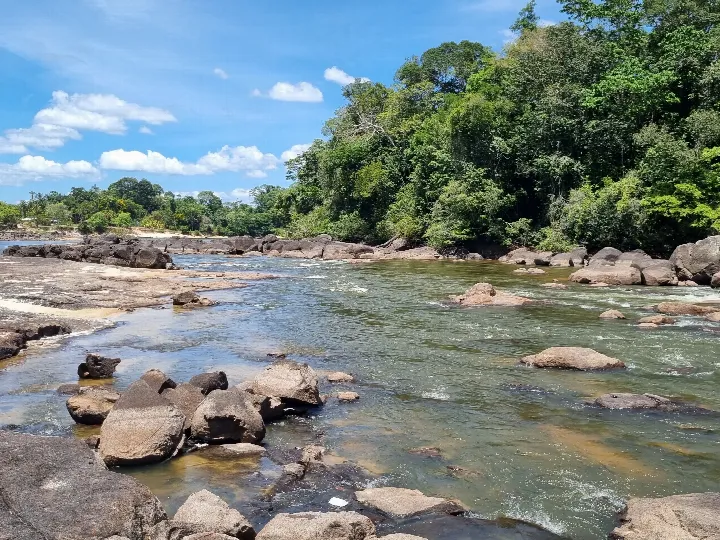
On the 6th of May 2025 a webinar was held that focused on inclusivity of Indigenous and Tribal Peoples (ITPs) in battling the impact of Climate Change in Suriname, Guyana, Ecuador and Brazil. It was organized by the Youth Education and Leadership Foundation (YELF) in partnership with Caribbean Policy Consortium (CPC). ITPs are the most marginalized groups in Latin America and the Caribbean (LAC). They experience poor socio-economic outcomes and are often disconnected from efforts to promote regional development (Mc Donald et al, 2019,). This is the reason why their perspective should be included in policy design, especially when facing the impact of Climate Change.
 Leadership
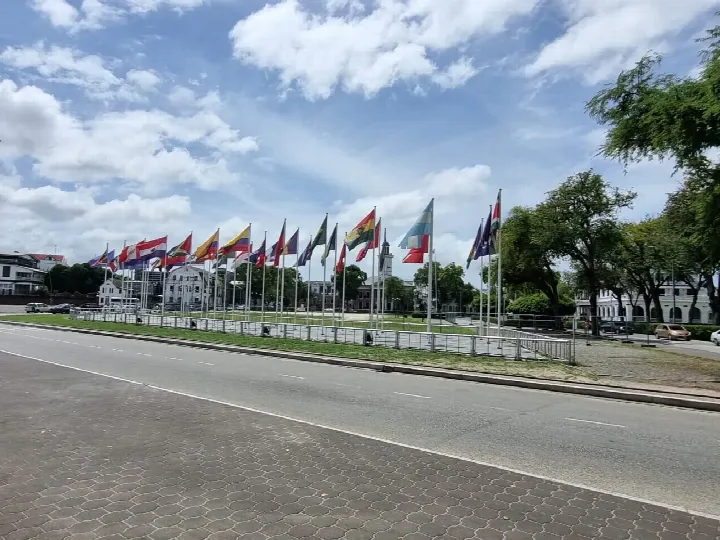
Between 2021 and 2024, the Joint Programme Leaving No One Behind, Building Resilience, and Improving Livelihoods of Indigenous and Tribal Peoples was implemented in partnership with UNDP, the Ministry of Regional Development and Sport, the Ministry of Social Affairs and Housing, the Medical Mission, and Indigenous and Tribal Peoples (ITP) umbrella organizations, VIDs and Kampos.
 Leadership
The world faces an unprecedented environmental crisis, with effective waste management emerging as one of the most pressing global challenges. Within this context, Panama and Suriname, both members of the carbon-zero alliance, share challenges and opportunities for sustainable waste management. Both countries are committed to carbon-zero goals, yet they face rising pressures from industrial activities, notably Suriname’s expanding oil sector and unregulated informal mining, which threaten environmental stability.