The rights of ITPs in Climate Change Mitigation in Suriname, Guyana, Ecuador and Brazil
Writer : YELF | Datum : 2025-10-11 15:12:48
ITPs are the most marginalized groups in Latin America and the Caribbean (LAC). They experience poor socio-economic outcomes and are often disconnected from efforts to promote regional development (Mc Donald et al, 2019,). This is the reason why their perspective should be included in policy design and in government, especially when facing the impact of Climate Change
The roundtable discussion was focused on the contribution of ITPs in mitigating the impact of Climate Change in the LAC. The main theme will be: “Acknowledging the rights of ITPs to mitigate Climate Change in LAC”.
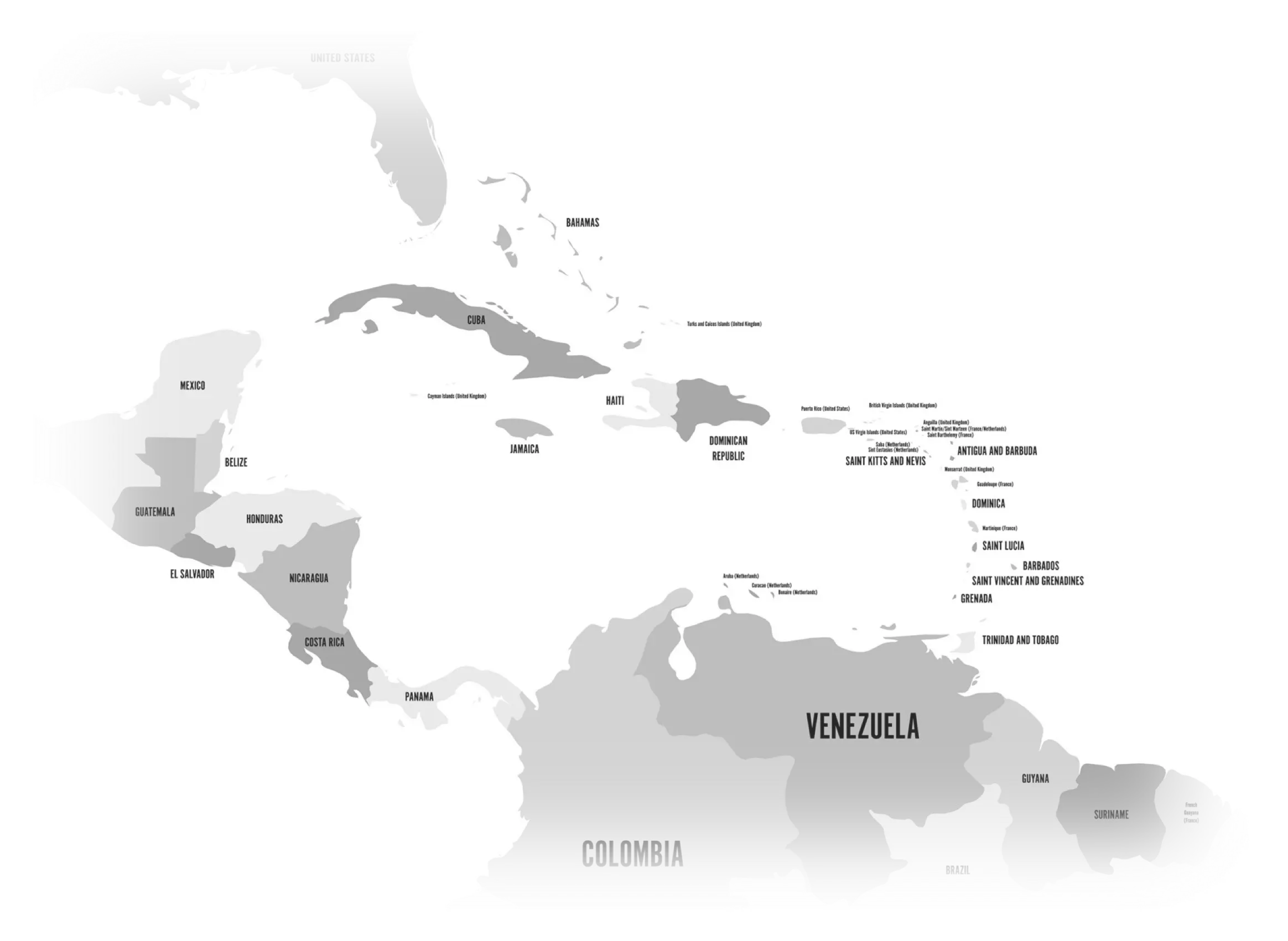
The program explored the contributions that ITPs are making to mitigate the impact of Climate Change in the LAC. The countries that are selected are: Suriname, Guyana, Ecuador and Brazil.. They have sizable ITPs populations and are the location of considerable mineral exploitation and have large forest covers, which include the Amazon River Basin, one of the most important carbon sinks in the world. Ecuador was selected due to the mix of ITPs in their country’s economy and long historical records.
The discussion starts from the premise that ITPs rights need to be respected by national government in order for them to have more impact in their Climate mitigation efforts. Some of these efforts strongly emphasize traditional knowledge, traditional territories, history, culture, traditional livelihoods, and demographics (Norton-Smith et al, 2016). Experts from Suriname, Guyana, Ecuador and Brazil participated on the panel.
Download Report%20of%20the%20Webinar%20110112025.pdf
Similar Topics:
Inclusive Governance in Suriname
Between 2021 and 2024, the Joint Programme Leaving No One Behind, Building Resilience, and Improving Livelihoods of Indigenous and Tribal Peoples was implemented in partnership with UNDP, the Ministry of Regional Development and Sport, the Ministry of Social Affairs and Housing, the Medical Mission, and Indigenous and Tribal Peoples (ITP) umbrella organizations, VIDs and Kampos.
Panama and Suriname: Uniting Forces in Waste Management and Environmental Sustainability in Carbon-Zero Times
The world faces an unprecedented environmental crisis, with effective waste management emerging as one of the most pressing global challenges. Within this context, Panama and Suriname, both members of the carbon-zero alliance, share challenges and opportunities for sustainable waste management. Both countries are committed to carbon-zero goals, yet they face rising pressures from industrial activities, notably Suriname’s expanding oil sector and unregulated informal mining, which threaten environmental stability.
Indigenous Rights in the Amazon
With funding from the United States Embassy in Suriname and the sponsorship of the Youth Education and Leadership Foundation and Global Americans, we are pleased to present "Indigenous Rights and Extractive Industries in the Amazon," a two-day virtual conference on human rights and environmental issues in the Amazon. Indigenous Rights in the Amazon September 23, 10:00 AM to 11:00 AM EDT Speakers: - Luis Gilberto Murillo, Colombia's former Minister of Environment and Sustainable Development - Ine Apapoe, Lecturer at the Anton De Kom University of Suriname - Magda Monteza, Strategic Planning Specialist, Panamanian Ministry of Government - Jorge Andrés Forero Gonzáles, Director of Peacebuilding, Al Centro (Colombia) Moderator: Guy Mentel, Executive Director, Global Americans
Extractive Industries in the Amazon webinar
With funding from the United States Embassy in Suriname and the sponsorship of the Youth Education and Leadership Foundation and Global Americans, is pleased to present "Indigenous Rights and Extractive Industries in the Amazon," a two-day virtual conference on human rights and environmental issues in the Amazon. Speakers: - Mark Pieth, Professor at the Basel Institute of Governance, former Chair of both UN Illegal Drug Trafficking and OECD Anti-Bribery Working Groups - Luz Nagle, Professor at Stetson University Law School and former Judge in Medellín - Bruce Zagaris, Partner with Berliner Corcoran & Rowe LLP & Founder of the International Enforcement Law Reporter - Julia Marisa Sekula, Climate Security Program Coordinator at Instituto Igarapé Moderator: Guy Mentel, Executive Director, Global Americans
Good Governance in the Caribbean: Obstacles and Opportunities
The Caribbean has too often been relegated to the back seat of most Western Hemisphere policy discussions. With the exception of Cuba, the countries of the region have rarely emerged atop United States foreign policy priority lists. From climate change to blue economy issues to food security and increased digital connectivity, the Caribbean, with all of the challenges it faces, is also home to extraordinary opportunity and possibility